Exploring Food Preservation at Home
Food preservation is essential for extending the shelf life of foods, reducing waste, and keeping our meals safe and nutritious. This post will cover the various methods of food preservation, from freezing and drying to canning and fermenting. Whether you’re looking to save surplus fruits and vegetables, prepare make-ahead meals, or are just interested in cutting down on food waste, understanding these preservation methods can be incredibly useful for any home cook.

Here’s a Whole List of Ways to Preserve Foods
These methods are mostly easily attainable for home cooks. Some involve more tools, work, and time, others are quick and easy. Your local Cooperative Extension Service is a great way to get the best up-to-date information on these methods.
- Root Cellaring: Root cellaring involves storing produce in a cool, humid, and dark space, such as a cellar or basement, to extend its shelf life without needing electricity. This method is particularly effective for root vegetables and hardy fruits.
- Freeze Drying: Freeze drying removes moisture from food by freezing it first and then applying a high vacuum that turns the ice directly into vapor. The process retains the food’s structure, nutrition, and flavor, making it lightweight and shelf-stable. Want to make your own camping food?? This is the tool for that.
- Dehydration: Dehydration removes moisture from food through the use of low heat and air circulation. This process concentrates the food’s flavor and nutrients, making it ideal for fruits, vegetables, and meats.
- Water Bath Canning: Canning preserves food by processing and sealing it in airtight containers. This method involves a water bath for high-sugar or acidic foods such as jams, jellies, pickles, etc.
- Pressure Canning: Use pressure canning for low-acid foods. killing microorganisms and extending shelf life. You MUST pressure can low acid foods for them to be safe to store on the shelf.
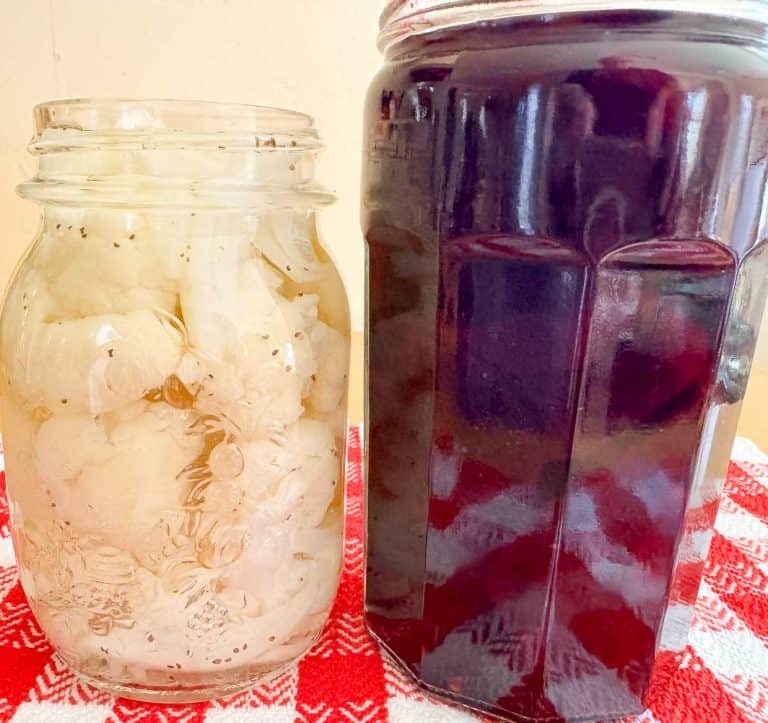
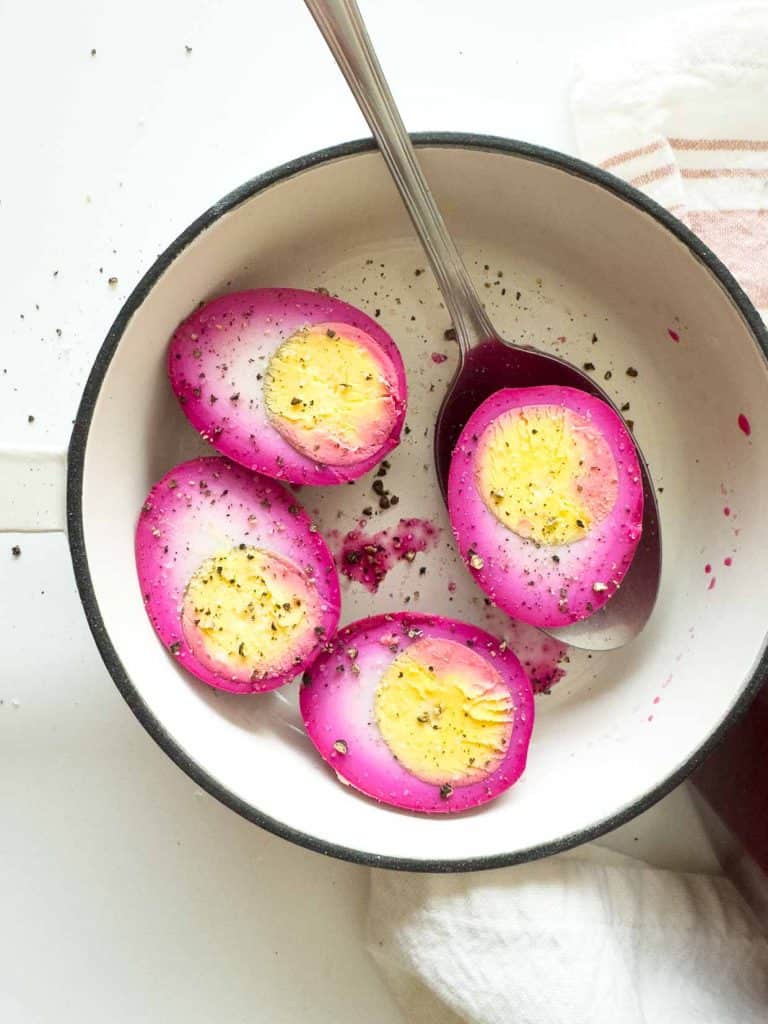
- Pickling: Pickling involves soaking foods in an acidic solution, usually vinegar, or fermenting them in a salt brine. This not only preserves the food but also imparts a tangy flavor.
- Lacto Fermentation: Lacto-fermentation is a natural preservation method where lactobacillus bacteria convert sugars into lactic acid, preserving the food and enhancing its nutritional value and flavor with probiotics.
- Drying: Drying, similar to dehydration, involves removing moisture from food through sun drying, air drying, or the use of dehydrators. This method is ancient and effective for many types of food.
- Freezing: Freezing preserves food by slowing down enzyme activity and microbial growth. It’s one of the simplest methods, suitable for a wide range of foods, though texture may be affected.
- Smoking: Smoking combines drying with the application of smoke to preserve and flavor food. The smoke imparts a distinct taste while also extending the food’s shelf life through its antimicrobial properties.
- Pasteurization: Pasteurization involves heating food to a specific temperature for a set period to kill harmful bacteria and reduce spoilage. Commonly used for milk, juices, and canned foods, it extends shelf life while maintaining nutritional value.