
Best Sugar Substitutes
Sugar brings sweetness to baked goods, but it can also add calories and spike blood sugar. Whether you’re controlling your blood sugar, managing your weight or wanting a more natural option, there are many sugar substitute options. It’s important to choose a substitute that fits your dietary needs.

Some sugar substitutes are artificial, while others are natural and come from plants. Artificial sweeteners are often intensely sweet and contain few to no calories, while natural sweeteners may have some calories and can offer a more subtle sweetness. This article will explore both kinds of sweeteners so you can decide which ones will work for you.
Why you need sugar
Sugar gives certain qualities to baked goods, desserts and some drinks. Here are some reasons why you need sugar:
- It provides structure. Sugar helps cakes rise, and cookies spread.
- Sugar creates texture. It binds with water to lock in moisture and inhibits gluten development, keeping cookies and breads softer.
- Sugar aids in the caramelization process.
- It facilitates leavening. Sugar makes yeast more effective.
- Sugar adds color. Baked goods get their brown color from sugar.
- It helps stabilize beaten eggs.
- Sugar provides consistency and firmness for jams, jellies and preserves in the gelling process.
Common sugar substitutes
Sugar substitutes can change the texture, flavor or consistency of a recipe. Having the exact ingredient a recipe calls for is ideal but is not always possible due to dietary restrictions, health concerns, allergies or simply not having it on hand. In these cases, these options are great choices.
Honey
Honey brings a unique flavor and is about 50% sweeter than regular sugar. It adds moisture and creates denser baked goods while causing them to brown faster. To swap honey for sugar, use ¾ cup plus 1 tablespoon of honey for every cup of sugar, and cut back other liquids by 2 tablespoons. If your recipe doesn’t include acidic ingredients like buttermilk or sour cream, add a pinch of baking soda to balance out the acidity.

Stevia
Stevia, derived from the Stevia Rebaudiana plant, is a natural zero-calorie sweetener with a zero glycemic index. It’s incredibly sweet—hundreds of times sweeter than sugar—so you’ll only need 1 teaspoon of stevia to replace 1 cup of sugar in most recipes. Be sure to check your stevia product’s packaging for precise conversions, as different brands may vary in strength.
Erythritol
Erythritol is a sugar alcohol found naturally in fruits and produced during fermentation. While it tastes and feels similar to sugar, it’s only about 70% as sweet. It doesn’t dissolve as well as sugar and can leave a cool, mint-like aftertaste. Erythritol doesn’t caramelize but will crystallize and doesn’t retain moisture, so it’s best used alongside other sweeteners for moist baked goods like cakes. Use 1⅓ cups of erythritol to replace 1 cup of sugar.
Monk fruit sweetener
Monk fruit sweetener, made from the Siraitia Grosvenorii plant, is a zero-calorie option up to 300 times sweeter than sugar with a low glycemic index. It can brown quicker and might change the texture of your baked goods. In most recipes, you can swap monk fruit sweetener for sugar at a one-to-one ratio without adjusting other ingredients.
Coconut Sugar
Coconut sugar comes from the crystallized nectar of coconut palm blossoms. It has a low glycemic index and offers a mineral-rich, caramel-like flavor similar to brown sugar. It’s great for baked goods like brownies and cakes but isn’t ideal for recipes that need sugar to dissolve completely, such as caramel or meringue. Coconut sugar can be used in equal amounts as sugar.
“I love using coconut sugar because it has a lower glycemic index — we have a couple of pre-diabetic family members — but also a rich, caramel-like flavor. I’ve used it in everything from cookies to banana bread, and it works beautifully, providing a subtle sweetness without overpowering the other flavors. It also reminds me of jaggery, which is used a lot in Indian cooking. The texture is slightly more granulated than regular sugar, but it blends well, so I’m never disappointed.”
— Shruthi Baskaran-Makanju, Urban Farmie
Maple Syrup
Maple syrup, tapped from maple trees, has a rich, earthy taste and is about three times sweeter than sugar. It also offers vitamins, minerals, and antioxidants while having a lower glycemic index. To use it as a substitute, replace 1 cup of sugar with ¾ cup of maple syrup and reduce other liquids by 3 tablespoons. Since maple syrup caramelizes faster, lowering the oven temperature by 25°F helps prevent over-browning.
Applesauce
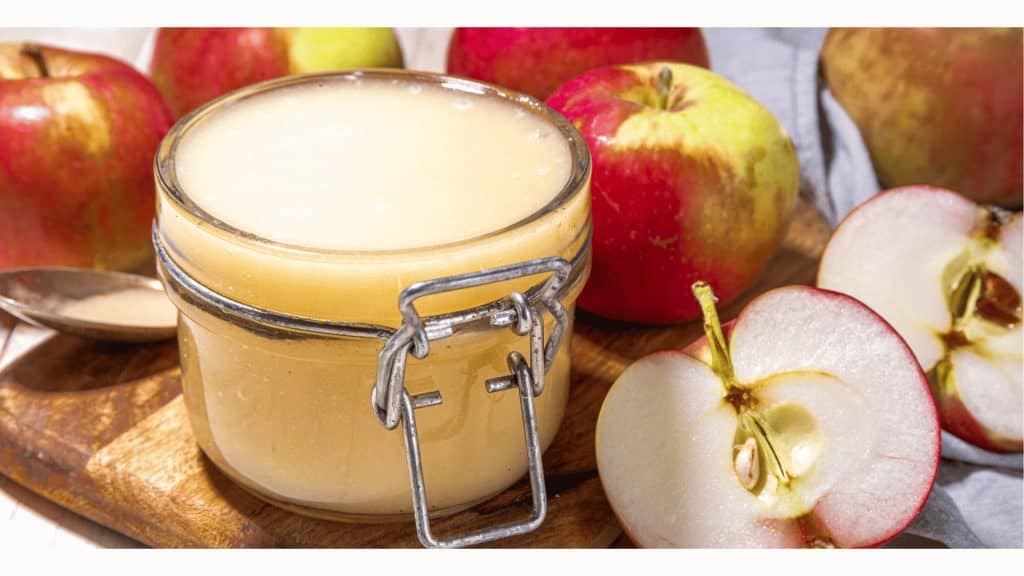
Unsweetened applesauce brings natural sweetness and moisture to baked goods, working best in recipes like oatmeal cookies and quick breads. However, it doesn’t hold up as well in sugar cookies or cakes that rely on structure. You can replace sugar one-for-one with applesauce but remember to reduce the other liquids in the recipe by ¼ cup for every cup of applesauce used.
Agave Nectar
Agave nectar, extracted from the agave plant, has a mild, sweet flavor similar in texture and calories to high-fructose corn syrup. To substitute it for sugar, use ¾ cup of agave nectar per 1 cup of sugar, and reduce the recipe’s other liquids by 2 tablespoons for every ¾ cup of agave.
Allulose
Allulose is a naturally occurring sugar found in foods like figs and raisins. It’s lower in calories and has little impact on blood sugar levels. Allulose browns faster than sugar and doesn’t crystallize when cooled, making it ideal for smooth, evenly baked goods. Its flavor and texture closely mimic sugar, so it can be swapped one-for-one in most recipes.
Using These Sugar Substitutes
When using a sugar substitute, it’s important to remember that the recipe may not turn out exactly like the original recipe did. Follow the directions carefully, and although the flavor and texture may vary from the original, these substitutes can work if you’re out of sugar or you want natural options for sugar replacements.




14 Comments