Lemon Juice Substitutes



Lemons add a refreshing tang to everything from savory dishes to sweet treats. But what happens when you’re in the middle of making dinner or dessert and realize you’re out of lemons? There’s no reason to start panicking; you probably have lemon juice substitutes in your kitchen already.

A surprising amount of pantry staples can be used in place of lemons, each with its own unique twist. This article will explore several substitutes for lemon juice so you can get back to cooking and baking without a trip to the store.
Why you need lemon juice
Lemon juice gives certain qualities to both savory and sweet dishes. Here are some of the reasons why lemon juice is needed:
- It is one of the most acidic natural ingredients available, so it helps baked goods rise and adds structure to jams and jellies.
- Lemon juice can be used to tenderize meat.
- It provides a fresh, light flavor to desserts and baked goods.
- Lemon juice can prevent the discoloration of fresh fruits and vegetables.
- It balances out sweet flavors in cookies, cakes and other baked goods.
Common lemon juice substitutes
Lemon juice substitutes can change a recipe’s flavor, texture, or consistency. Using the exact ingredient is always best, but sometimes it’s not possible due to allergies, dietary needs, or simply being out. These options offer reliable alternatives when lemon juice isn’t available.
Lime Juice
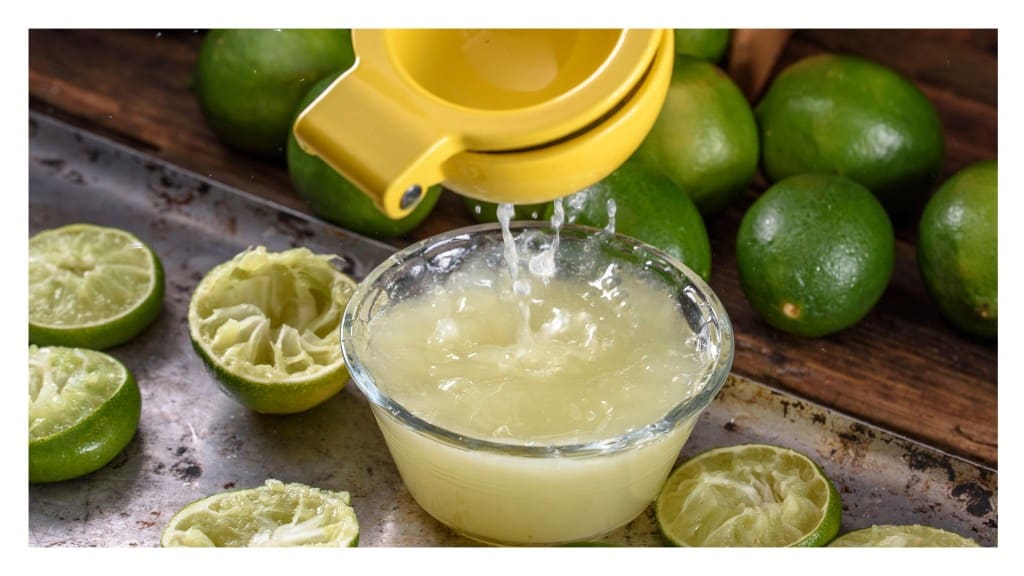
Lime juice has a similar acidity, consistency, and taste to lemon juice. It works well as a substitute in nearly any recipe and is especially good for canning and preserving. You can use it in equal amounts as lemon juice.
Orange Juice
Orange juice is sweeter and less tart and acidic than lemon juice. Its different flavor means it will noticeably change dishes that call for a lot of lemon juice. It can still be used as a one-for-one swap.
Vinegar
Apple cider vinegar, white vinegar, and similar types are tart and acidic like lemon juice. Because of their stronger flavor, use vinegar sparingly in recipes where lemon is key. In small amounts, sucha as 1 tsp, vinegar can replace lemon juice at a one-to-one ratio.
“When I am making vegan buttermilk and don’t have fresh lemons on hand for juice, I substitute for apple cider vinegar. Although I always default to freshly squeezed lemon juice when making buttermilk, I haven’t noticed any difference in flavor or consistency when swapping in vinegar.”
— Sage Scott, Sage Alpha Gal
White Wine
White wine has a tart, acidic profile and similar consistency to lemon juice. It’s best suited for savory dishes and deglazing pans. Dry white wine works best and can be used in equal amounts.

Cream of Tartar
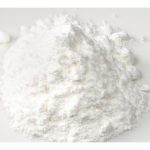
Cream of tartar is a slightly tart powder often used for baking. It can replace lemon juice, but you may need to add extra liquid to the recipe. Use ½ teaspoon cream of tartar for each teaspoon of lemon juice.
Citric Acid
Citric acid is a concentrated powder form of the acid found in lemons. It’s especially useful in baking as a lemon juice substitute. Use just a small amount and add more liquid to balance the recipe. A ¼ teaspoon of citric acid equals 1 tablespoon of lemon juice.
Lemon Zest
Lemon zest brings a tart, slightly sweet flavor and is a good choice for desserts where lemon stands out. Since it’s not liquid, you’ll need to add extra moisture. Use 1 tablespoon of zest for every 6 tablespoons of lemon juice.
Pineapple Juice
Pineapple juice is sweet, acidic, and thinner than lemon juice. It’s best for marinades and dressings rather than recipes where lemon is the star. It can be swapped in equal amounts.

Lemon Extract
Lemon extract provides strong lemon flavor and is thinner than juice. It works well in desserts where lemon is the main flavor. Use 1 teaspoon of extract for every 2 teaspoons of lemon juice and add liquid as needed.
Grapefruit Juice
Grapefruit juice has a tangy citrus taste and works in marinades, dressings, cocktails, and some desserts where lemon isn’t the main flavor. Use it in equal amounts as lemon juice.
Limoncello
Limoncello is a sweet lemon liqueur that shines in desserts and baked goods. It doesn’t work well in savory dishes or recipes needing lemon’s acidity. Because of its alcohol and sugar, use ½ teaspoon for every teaspoon of lemon juice and add liquid if needed.

Celery juice
Celery juice offers a mild bitterness and works best in savory dishes or sauces needing light acidity. Its vegetable taste makes it unsuitable for sweet recipes. Use ½ teaspoon for each teaspoon of lemon juice.
Thoughts on Subbing Lemon Juice
When using a lemon juice substitute, it’s important to keep in mind that the recipe may not turn out exactly like the original. Follow the directions carefully, and although the flavor and texture may vary from the original, these substitutes can work in a pinch.