
How to Make Vegetable Broth from Kitchen Scraps
Making homemade broth may sound fancy, but it’s about as simple as it gets. All you need are a few leftover vegetable scraps, water and a bit of simmering time. The fantastic flavors you can coax out of those leftover bits and pieces can add so much extra flavor to some of your favorite dishes at little to no additional cost.

Why you should make homemade vegetable broth
With grocery prices continuing to climb, getting the most out of everything you purchase has never been more important. If you love to cook, making homemade vegetable broth with leftover kitchen scraps is an easy way to stretch your dollars while boosting your favorite dishes’ flavor. Once created, you can use your broth in a variety of homemade dishes like soup, pasta or gravy.
Scraps to use and avoid
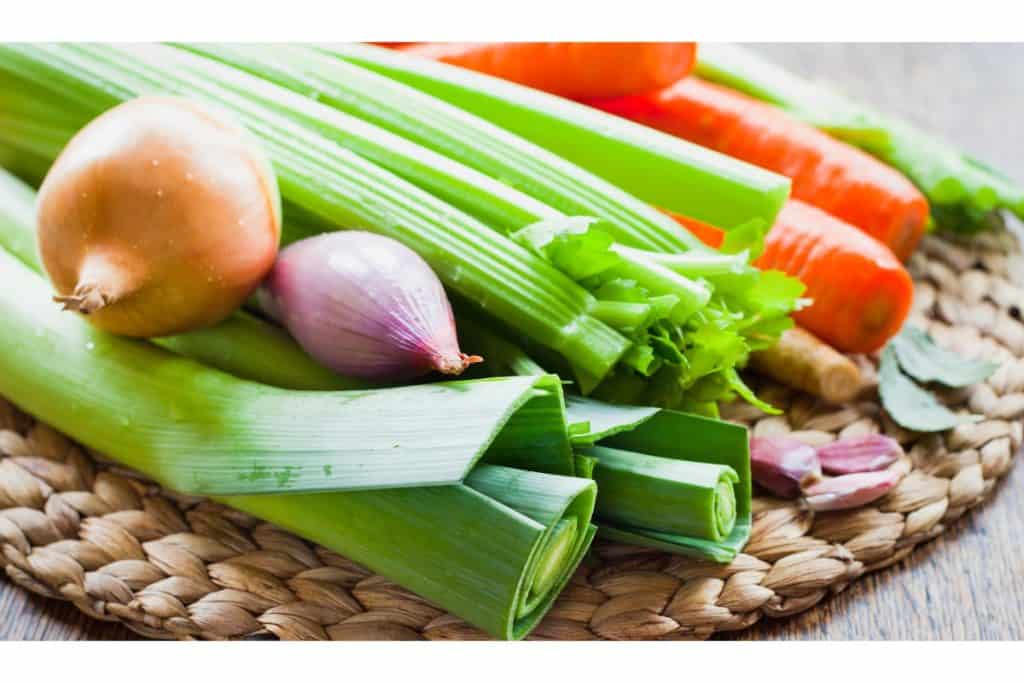
Many vegetables you already use in your kitchen are fair game when making vegetable broth. The tops, tails, skins, stems, peels and ends that you would normally toss in the compost or trash can instead be set aside for vegetable broth. If you buy carrots, beets or other root veggies with the leafy greens attached, you can use these greens for broth. Woody herb stems, and the root ends of onions and garlic will add great aromatics. Peels from potatoes, tomatoes, beets and zucchini will enhance and balance the flavors.
However, before you start tossing in everything, be aware that bitter vegetables or vegetables that take on bitter flavors when overcooked, like Brussels sprouts, broccoli and cabbage, should be avoided. Anything with a flavor you don’t like on its own should not go in your stock. You should not include any scraps past their prime or starting to show signs of rot. Fresh, clean scraps will make the best-tasting broth.
“I save most of my vegetable scrapes, carrots, onions, broccoli, celery, peppers and more, and freeze them in a bag until I have enough to make vegetable broth. I also add eggshells, which boost the broth with collagen. Once it’s cooked and cooled, I pour the broth into silicone freezer molds for storage.”
— Jere’ Cassidy, One Hot Oven
How to store your scraps
If you cook from scratch regularly, you’ll find yourself with small amounts of vegetable scraps on a daily basis. While this won’t be enough for an entire batch of broth, it’s a great starting point. Instead of tossing these scraps out, place them in a dedicated freezer-safe container and stick them in your freezer until you have saved enough. Leftover deli containers work great for this purpose.
5 simple steps to making homemade broth
Once you have about 6-8 cups of scraps or three to four 16-ounce containers full, you are ready to make a batch of broth. These five simple steps will guide you through it.
Step 1: Gather your ingredients and tools
You will need a large pot, your collected vegetable scraps and fresh water. Depending on what you’ve collected, you may want to add a handful of peppercorns, a couple of bay leaves and perhaps some garlic and herbs to help enhance the flavors.
Step 2: Combine scraps and water
Place the vegetable scraps into the pot and cover them with water, aiming for the water to come about two inches over the scraps. It’s not an exact science, but you want room for the scraps to be submerged and simmer without sticking to the bottom of the pan.
Step 3: Simmer
Bring the pot of water and scraps to a boil, then drop to low heat so the bubbles slow down and the water stays at a simmer. Let the broth continue to simmer for about 45 minutes to an hour. Since there are no bones in veggie broth, it takes much less time than beef broth. Be careful, though, if you overcook it, as it can get cloudy or take on a bitter flavor.
Step 4: Strain
Once the broth has reached your desired flavor, it’s time to strain out the solids. A fine mesh strainer or sieve will work best for this job. Place it over a large bowl or pot, preferably one with a pour spout, then carefully pour the hot broth into the strainer. Reserve the golden liquid and discard the boiled scraps into the compost bin.
Step 5: Store or use
After straining the broth, you can season it further if desired. Sometimes, a pinch of salt is necessary, but I often wait and season it as I use it. Your broth can be stored in the fridge for up to a week or in the freezer for up to three months.
Using your homemade broth
Once you’ve made your broth, the fun part begins: Using it! Homemade broth is the perfect base for all kinds of dishes, from soups and stews to risotto, sauces and gravies.
You can cook grains, rice or pasta in homemade broth for an instant flavor boost. Use it to thin out tomato sauces or rich, hearty chilis, or as the base for a hearty butternut squash soup. When heating leftovers, a splash of broth can add flavor and moisture to stir-fries, curries or pasta dishes that may have dried out in the fridge. The options are only limited by your imagination.
Homemade vegetable broth made simple
Making homemade vegetable broth from kitchen scraps is a simple, satisfying way to reduce waste and make the most of what you buy. Plus, you’ll have the added satisfaction of knowing you’ve made it with ingredients that might have otherwise gone to waste.
Vegetable Broth From Scraps
Equipment
- large pot
- wooden spoon
Ingredients
- 6-8 cups veggie scraps
- water to cover, and more as needed
- herbs if desired
- salt to taste
Instructions
- add vegetable scraps to a large soup pot
- cover them with water, aiming for the water to come about two inches over the scraps
- Bring the pot of water and scraps to a boil, then drop to low heat so the bubbles slow down and the water stays at a simmer
- Let the broth continue to simmer for at least 45 minutes and up to a couple of hours, add more water as needed
- taste the broth and add salt as desired, stir to combine and dissolve salt
- pour the broth through a strainer into a bowl
- Ladle into jars or freezer bags
- store jars in the fridge, store bags in the freezer
Nutrition
This article originally appeared on Food Drink Life.











One Comment