Evaporated Milk Substitutes



Finding the right substitutes for pantry staples is both useful and necessary. Evaporated milk is popular for its creamy texture and the ability to enrich both sweet and savory recipes. Whether you’re avoiding dairy, dealing with dietary needs, or simply out of evaporated milk, it helps to know what alternatives will work.
Having substitute options is helpful when you’re short on ingredients or need to work around allergies or restrictions. From half-and-half to plant-based milks like almond milk, this guide shares several ways to replace evaporated milk.
What IS Evaporated Milk?
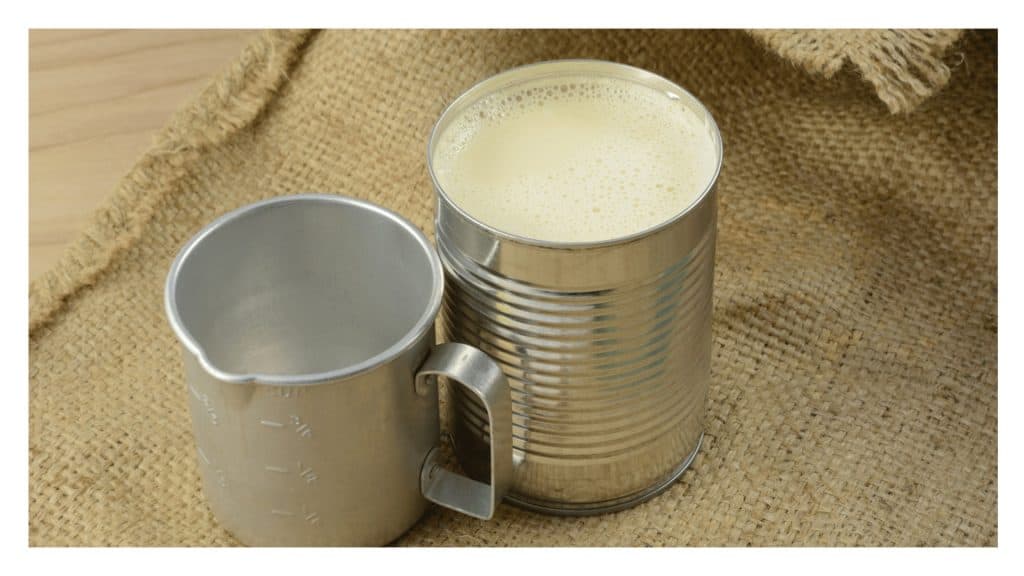
Evaporated milk is regular milk that’s been cooked down to remove about 60 percent of its water. After that, it’s homogenized, canned, and heat-sterilized so it can be stored safely.
It’s the perfect canned milk to stock in your pantry, ideal for day-to-day use and emergencies when the power is out. A bag of dried milk is nice to keep on hand as well. Both of these powerhouse pantry staples will keep you and your family well fed and out of last minute runs to the store.

Why evaporated milk — and evaporated milk substitutes — are necessary
Leaving out evaporated milk can change a recipe completely. Here are a few reasons why you need it:
- It can help thicken smoothies or milk shakes.
- Evaporated milk adds sweetness to coffee.
- It adds richness and texture to soups, chowders, sauces and oatmeal.
- You can typically add it to soups without fear of curdling because it’s more stable than regular milk.
- Evaporated milk adds more creaminess to recipes such as old-fashioned fudge recipes or pumpkin pie.
Common Evaporated Milk Substitutes
Keep in mind that using any ingredient substitutes may change the results. Having the actual ingredient is ideal, but if it’s not possible, these options are great choices.
Half-and-Half
Half-and-half is a good stand-in for evaporated milk since it has a similar thickness and fat content. What it doesn’t have is that light caramel flavor. Swap it in 1:1—one cup for one cup—in both sweet recipes like pumpkin pie and in savory dishes like soups.
“If I run out of evaporated milk, I just use cream or half-and-half, and it works out fine. Like, for pumpkin pie, I’ve swapped cream for evaporated milk, and it makes the pie even richer. Same thing for creamy casseroles or mac and cheese. I just substitute in half-and-half, and they turn out just as tasty.”
— Jere’ Cassidy, One Hot Oven
Heavy Cream
Heavy cream has a richer flavor than evaporated milk and about the same consistency, just without the slight caramel flavor. You can swap it 1:1 in pie fillings, sauces, casseroles, ice cream, or soups.

DIY Evaporated Milk
You can make evaporated milk at home by cooking down regular milk. It’s important to remember not to boil or scald the milk during this process.
Start with double the amount, so if you need 1 cup of evaporated milk, begin with 2 cups of milk. Simmer until it reduces by about half, then cool before using. One cup of this homemade version replaces 1 cup of evaporated milk.
Powdered Milk
To use powdered milk, mix it with about 60 percent of the water the package calls for. This makes it thicker and closer to evaporated milk. Use it as a one-to-one substitute in both sweet and savory recipes.
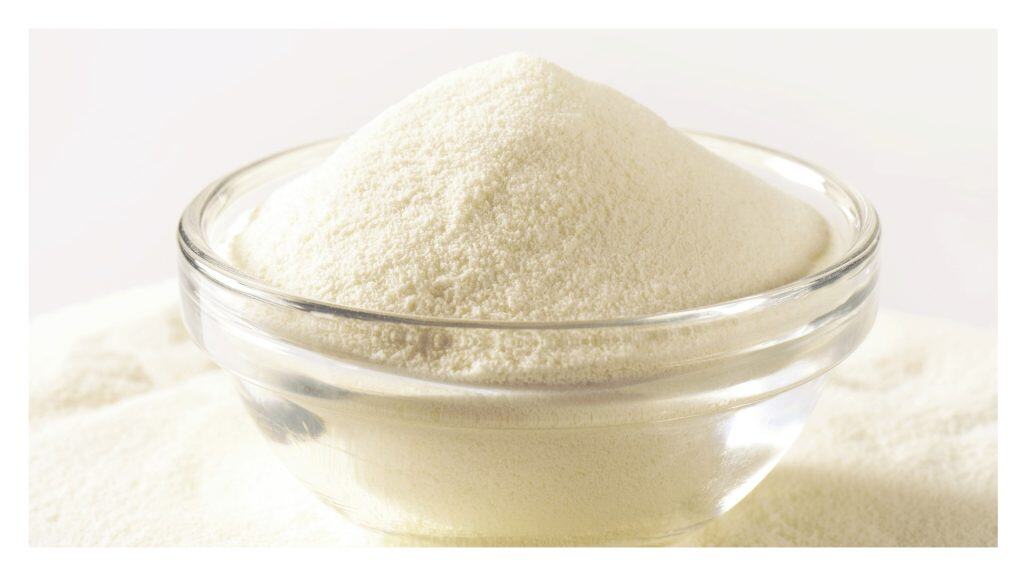
“If I’m out of evaporated milk, I reach for dry powdered milk, which is essentially milk that has been dehydrated. It’s convenient to keep, since it is shelf-stable and can be used in both sweet and savory recipes. Here’s a tip: Use a little less water to reconstitute the milk powder for a thicker evaporated milk consistency.”
— Michelle C, Sift & Simmer
Soy Milk
Soy milk has a texture close to regular milk. You can simmer it down the same way you would make homemade evaporated milk. Since it has more water, you may need to add a little cornstarch if you are using it in sauces or soups.
Coconut Milk
Both canned coconut milk and carton coconut milk work as a one-to-one swap for evaporated milk. Carton coconut milk should be simmered down first to thicken it. The coconut flavor stands out, so it works best in recipes where that taste blends well, whether sweet or savory.
Almond Milk or Cashew Milk
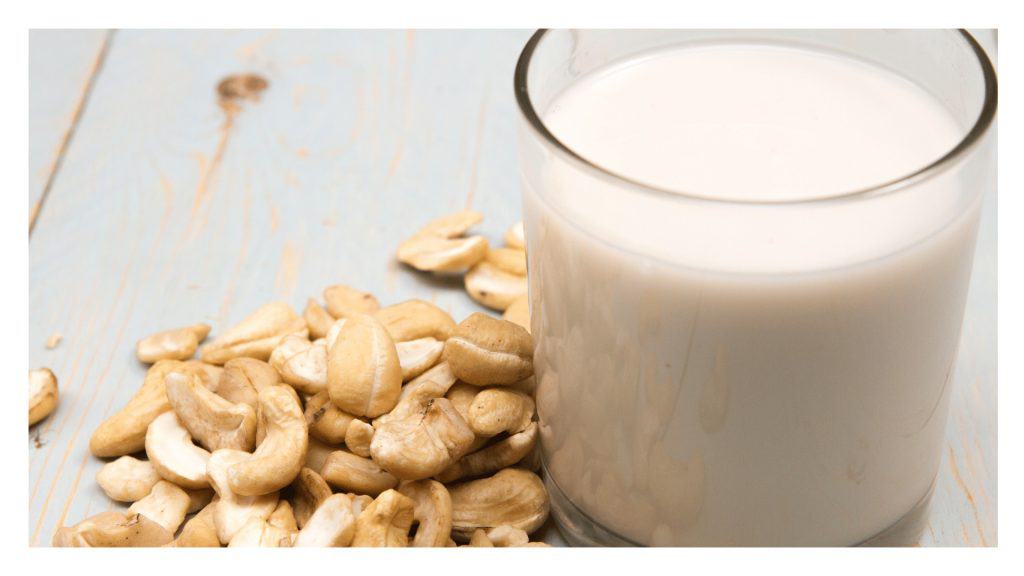
Simmer almond milk or cashew milk to cook off some of the water before using it as a one-to-one substitute. The mild sweetness makes it a better fit for desserts.
Oat Milk, Hemp Milk and Flaxseed Milk
Oat milk needs to be simmered down like almond and cashew milk. Once thickened, it works well in baking, sauces, and casseroles, as a one-to-one substitute.
The same process works for hemp milk, but it’s sweeter, making it ideal for baking.
Flaxseed milk is processed the same way and works in sweet or savory dishes.
Rice Milk
Rice milk is thinner, so it needs to be reduced over heat before you use it. Adding a little cornstarch can help thicken it, too. Its natural sweetness makes it better for desserts, and you can swap it one-to-one once it is thickened.

It’s always best to use the ingredient your recipe calls for, but these substitutes can work well too. Follow the tips closely and keep in mind that textures or flavors might be different from the original.