
Dandelion Salve

Every spring, dandelions take over our yard, and mostly we’re happy to see them. They provide early food for honey bees and wild pollinators alike, plus they’re pretty. That last part is especially important to me because Alaskan springs can be a long, drawn-out, ugly affair. A pop of color is welcome.
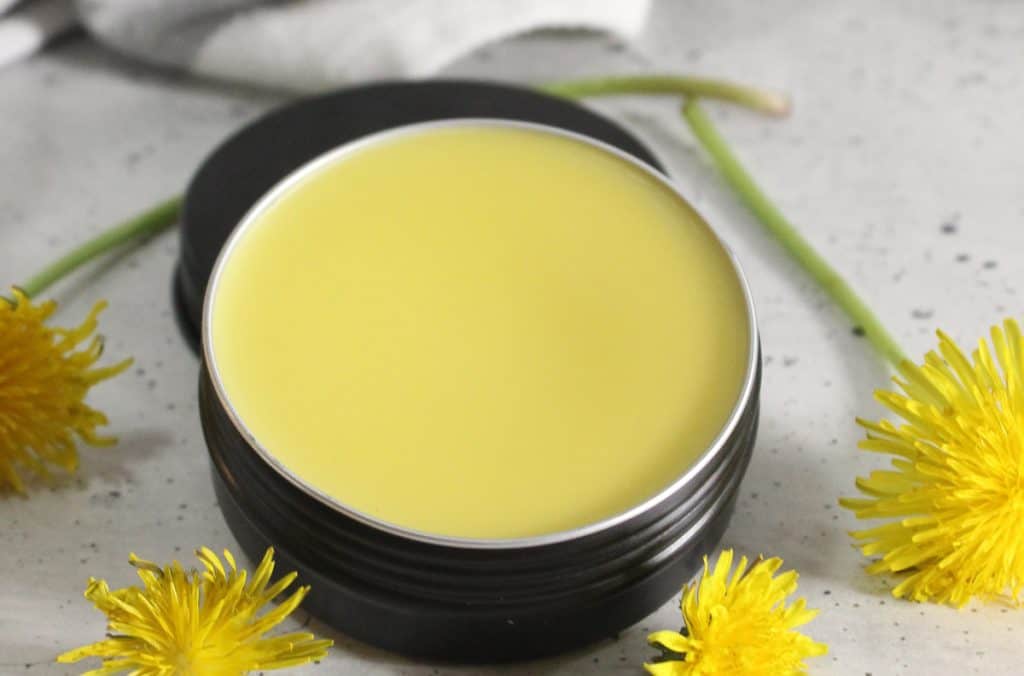
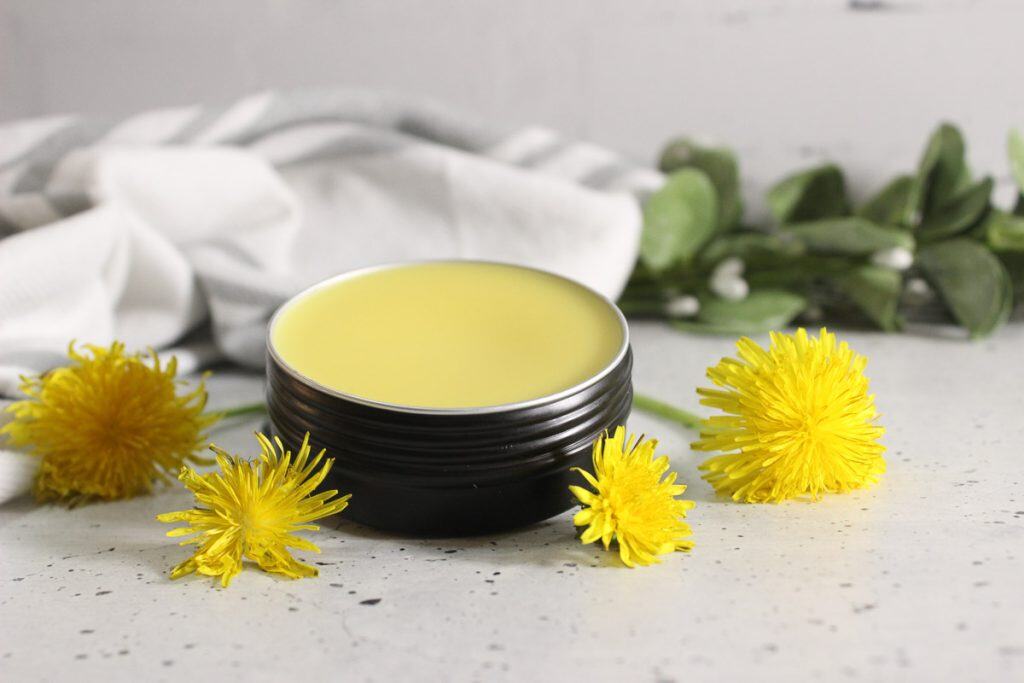
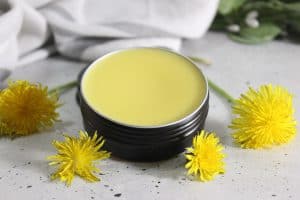
This homemade dandelion salve is a smart, simple way to put those pretty, if not persistent, weeds to good use. It’s known for helping with inflammation, rough skin, and even eczema flare-ups.
It’s the gardener’s revenge in the best way, using weeds instead of cursing them.
This is one of those low-effort, high-reward projects that continues to pay off. Just a handful of ingredients and a bit of patience gives you a natural salve for bug bites, cracked hands, or dry patches. It’s a great option for anyone who wants a practical, homemade product with real use.
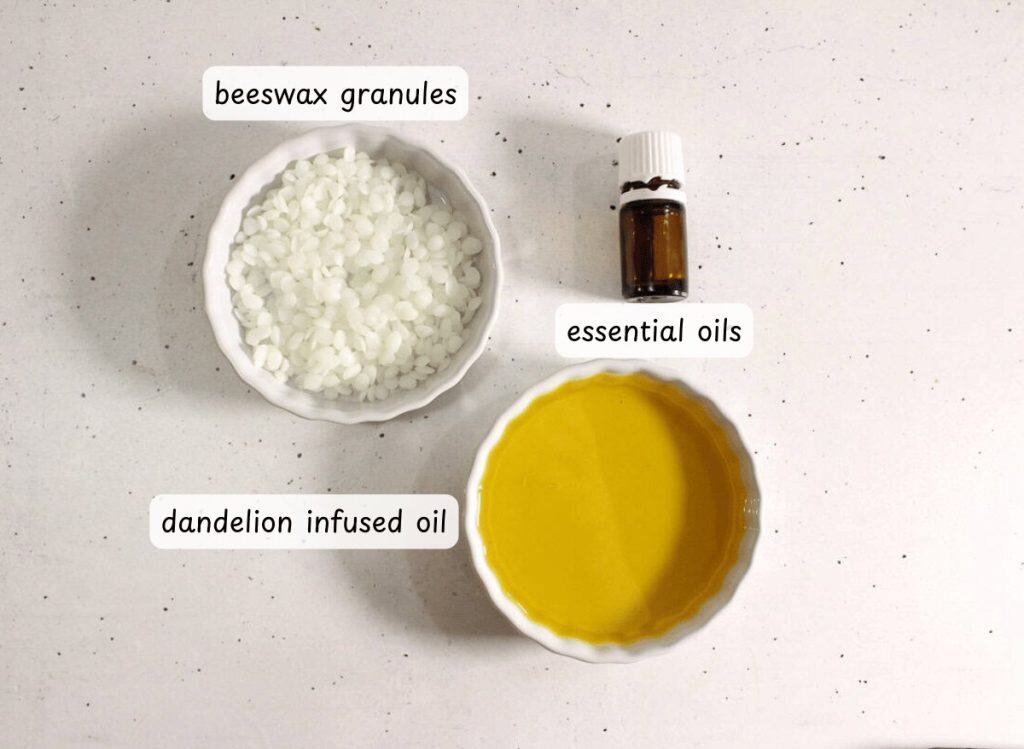
What You Need To Make Dandelion Salve
Always pick dandelions or other foraged goods from your own yard or a trusted area that hasn’t been sprayed with chemicals. Avoid roadsides or parks where chemicals might be used, and steer clear of places your pets regularly use.
- Dandelion flowers
- Carrier oil (like olive, jojoba, or sweet almond, or avocado)
- Beeswax
- Essential oils (optional)
- tin or other covered container
After reading through the ingredients, you may be questioning WHAT ELSE you can use those ingredients for. Like why buy beeswax JUST for this? You can use them in so many things!
Try my Calendula Salve, Cottonwood Bud Salve or our homemade muscle rub, they use some of the same ingredients, so you’re getting more products out of the things you’re buying to make this one.
Plus, these all make great gifts for birthdays or holidays. So make some for yourself and then make some to give to friends and family.
To Store
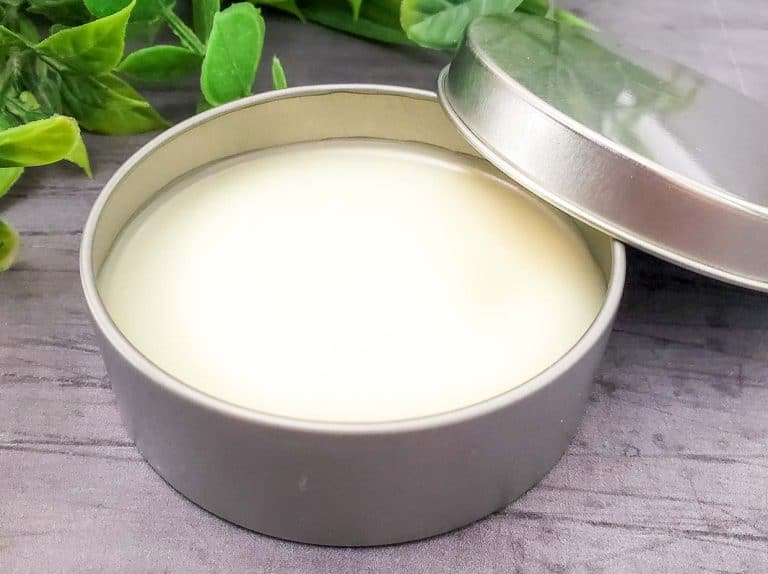
Once cooled and set, keep your salve in a lidded tin or small jar in a cool, dark place. It should last several months. Make sure no moisture gets into the container for the best results.

Dandelion Salve
Equipment
- double boiler or use a jar in a pan of water
- 4 ounce jar or tin or use 4 smaller tins or even a small canning jar
Materials
For the infused oil:
- 2 cups dandelion flowers petals only, no green parts
- ½ cup carrier oil e.g., avocado, olive, sweet almond
For the salve:
- ½ cup dandelion-infused oil
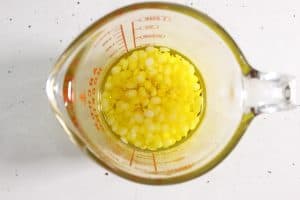
- 1 ½ tbsp beeswax granules
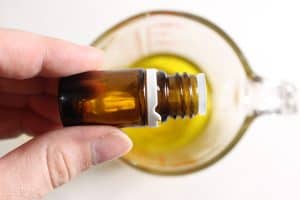
- 10 drops essential oil optional
Instructions
- After picking your dandelions, lay them out to dry for 1–2 days to remove moisture
- Separate the petals from the stems
- Place the dried petals in a clean jar and cover with your chosen carrier oil
- Use a wooden spoon to press the petals down into the oil, ensuring they’re fully submerged
- Let the oil infuse for several days (up to 2 weeks for best potency)
- Strain the infused oil through a fine mesh sieve or cheesecloth, discarding the petals
To make the salve:
- In a double boiler, gently heat the dandelion-infused oil and beeswax granules until fully melted, never melt wax directly over a heat source, always use a double boiler OR a jar in a pan of water to melt wax
- Remove from heat and let cool slightly
- Add essential oils if using, and stir to combine
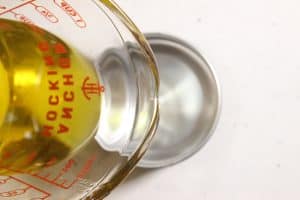
- Pour the mixture into tins or small glass jars
- Allow to cool and harden completely before using
Notes
- Any carrier oil works well; avocado oil is rich and nourishing
- Essential oils are optional—lavender and tea tree work well for added skin benefits





One Comment