
Canned Sardines 101
Canned sardines are one of the most overlooked pantry staples. They’re affordable, high in protein and packed with healthy fats. Whether you’re new to sardines or looking for better ways to use them, here’s what you need to know to make the most of this small but mighty fish.
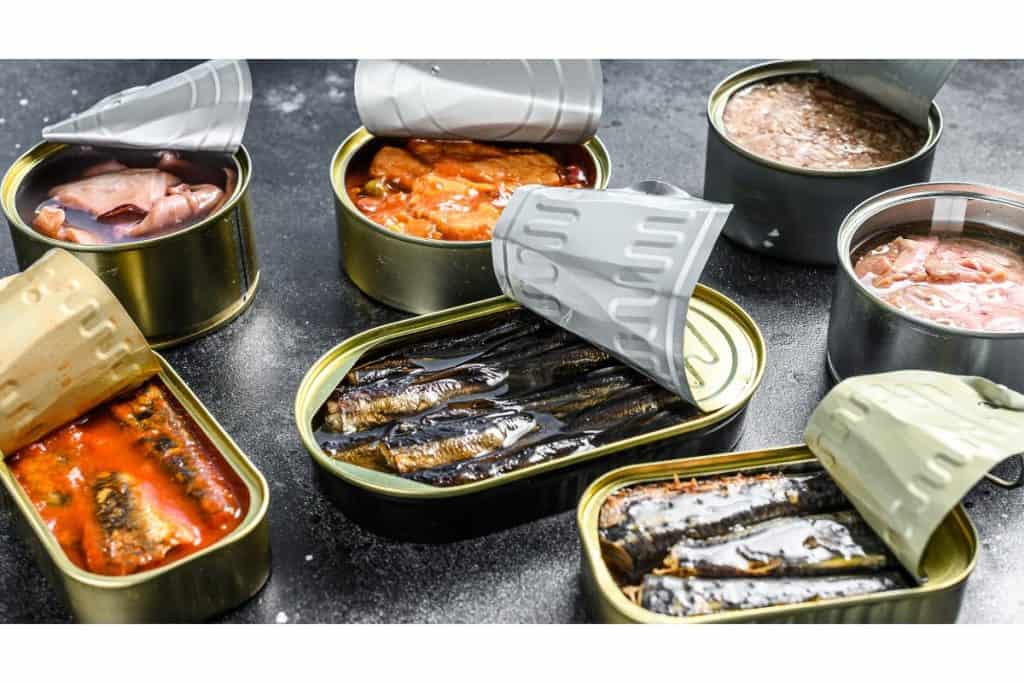
Canned sardines are a great ingredient to keep on hand for quick meals. They require no prep, are shelf stable and can be eaten straight from the can or used in various dishes. With the right seasonings and pairings, sardines can easily add flavor and nutrition to your meals.
What Are Sardines?
Sardines are small, oily fish packed with protein, healthy fats, and essential nutrients like omega-3s and calcium. They are commonly canned in oil, water, or sauces, making them a convenient pantry staple.
Sardines are typically canned with their bones in, but don’t worry, they’re soft and edible. They are gutted and descaled, and the heads and gills are removed before canning.
They’re also one of the best cheap seafood options that deliver both quality and convenience. Whether you’re looking for an affordable way to add more seafood to your diet or just need a quick meal solution, sardines check all the boxes.
Types of canned sardines
Not all canned sardines are the same. The type you choose can affect texture, flavor and how you use them in recipes.
Sardines in oil
Sardines packed in oil are rich and more flavorful and the oil adds a depth of flavor. The oil helps keep them moist and enhances their natural taste. They work well in salads and pasta and as a topping for toast.
Sardines in water
Water-packed sardines are lighter in taste and lower in fat. They’re a great option if you prefer a mild flavor or want to control the added fats in your meal. These are ideal for mixing into salads or blending into spreads.
Sardines In Sauces
Some canned sardines come packed in tomato sauce or mustard for extra flavor. These options are ready to eat with little additional seasoning needed. They work well on crackers, in sandwiches or mixed into rice or pasta dishes.
Nutritional benefits breakdown
Sardines are packed with nutrients, making them a great addition to any diet. Here’s a small view of what they offer:
- Omega-3 fatty acids help reduce inflammation and lower the risk of heart disease. They also play a key role in brain function, supporting memory and cognitive performance.
- Calcium in sardines comes from their tiny soft bones that help maintain strong bones and teeth. The Mayo Clinic states that calcium also plays a crucial role in muscle movement and nerve signaling, ensuring the body functions properly.
- Vitamin D helps the body absorb calcium, which is essential for bone strength. It also supports immune function and may help regulate mood and energy levels.
- Protein in sardines is high, with a 3.75-ounce can containing approximately 22-25 grams. This makes them a great option for muscle maintenance and satiety.
- Low mercury levels make sardines a safer seafood choice than larger fish like tuna. The U.S. Food and Drug Administration classifies sardines as a best choice due to their low mercury content. Because they are small and grow quickly, they don’t accumulate as much mercury, making them a healthy option for regular consumption.
How To Enjoy Sardines
Canned sardines aren’t just for eating straight from the can. Here are some easy ways to use them.
Salads
Flake sardines over a green salad, mix them with beans for extra protein or toss them into a grain bowl for a quick, balanced meal. They work well with citrus-based dressings, fresh herbs and crunchy vegetables, while canned vegetables like corn or green beans add even more texture and flavor with minimal effort.

Add To Pasta
Stir sardines into warm pasta with olive oil, garlic and red pepper flakes for a quick meal. They also work well in tomato-based sauces or alongside roasted vegetables.
Sandwiches Or Toasts
Spread mashed sardines on toast with butter or cream cheese or avocado. Add some fresh herbs, pickled onions or capers for extra flavor. Try making this Sushi Toast and add sardines!
They also make a great sandwich filling, whether mashed or left in chunks, especially when mixed with a bit of mustard or mayo for extra flavor. These are sandwiches better eaten at home, not at work.
Rice Or Grain Bowls
Mix sardines into rice or quinoa with fresh vegetables and a simple dressing something like this Quinoa Salad would be a great place to start. The added protein and healthy fats make for a balanced meal with minimal effort.
Sardine Patties
Combine sardines with breadcrumbs, eggs and seasonings to make patties, then pan-fry them until crispy. Serve with a dipping sauce or in a sandwich. A little heat from jalapeno or cayenne can add a spicy kick, similar to salmon patties. And add a squeeze of fresh lemon to bring a bright flavor.
Make Them Taste Better
If you’re not used to eating sardines, their flavor can be strong. And often off-putting. Here are some ways to enhance their taste:
- Add acidity with a squeeze of lemon juice or a splash of vinegar to cut through the richness of sardines. An acid almost always helps cut the heavy flavor or mouth feel of rich foods.
- Use fresh herbs like parsley, cilantro or dill to add a burst of freshness. They help balance the stronger fishy notes and make sardines more flavorful without overpowering them.
- Mix in crunch by adding chopped onions, celery, or pickles for extra texture. You can also add crunched-up chips or crackers for another crispy add-in.
- Spice it up by adding a little hot sauce, tajin, black pepper or hot mustard, or sriracha, which enhances the flavor and makes sardines more interesting.
How To Store
Canned sardines are budget-friendly and pantry-friendly. They will last a long time in the pantry. Proper storage keeps them at their best just like other canned goods.
Unopened Cans
Unopened cans typically last up to five years if stored in a dark pantry.
Opened Cans
Transfer any leftover sardines to an airtight container and refrigerate immediately. Use them within two to three days for the best flavor and texture.
Frequently Asked Question
Are sardine bones safe to eat?
Yes, the bones in canned sardines are soft and completely edible. They’re also a great source of calcium.
What’s the best way to eat sardines if you’re trying them for the first time?
Start with sardines packed in olive oil for a milder taste. Try them on toast with lemon and fresh herbs or mixed into pasta with garlic and red pepper flakes.
Your Pantry Needs Sardines
Sardines are a convenient, nutrient-packed, protein-packed ingredient that can be used in many ways. Add them to your meal plan for flexible protein add-ins to your favorite meals. With a little seasoning and the right pairings, they can go from basic to something you actually look forward to eating.