Best Shortening Substitutes



Discover simple cream cheese substitutes for baking, cooking, and dips using ingredients you likely have on hand.

Some people choose alternatives to shortening because of dietary needs, a preference for healthier options, or to add more flavor. If that sounds like you, exploring shortening substitutes could be a good fit.
Why Shortening and Shortening Substitutes Are Necessary
Shortening gives certain qualities to baked goods. Here are some reasons why shortening is needed:
- It creates flakiness in pie crusts and pastries because of its ability to create layers when the fat particles melt during baking.
- Shortening has a neutral flavor so it doesn’t add a strong taste to the final product.
- It has a higher melting point than other fats so it helps baked goods, such as cookies and cakes, retain their moisture.
- Shortening coats the flour particles more effectively than butter, which makes the dough easier to handle and less likely to become tough.
Common Shortening Substitutes
Always remember that using a shortening substitute may change the texture, flavor or consistency of a recipe. Having the exact ingredient a recipe calls for is ideal, but it’s not always possible due to allergies, dietary restrictions or not having it on hand. In these cases, these options are great choices.
Butter
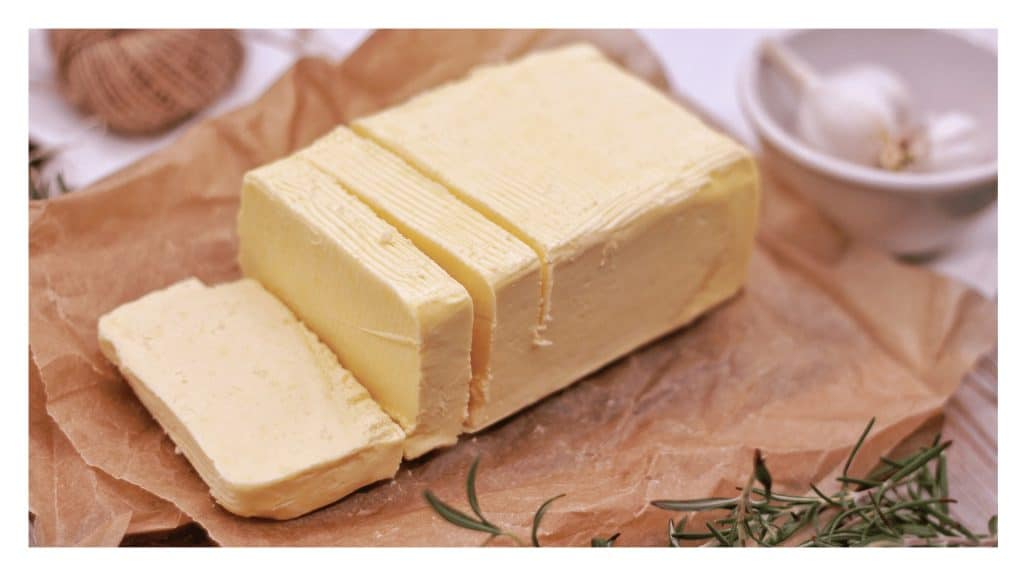
Butter is often chosen for its richer flavor compared to shortening. You can swap it in at a one-to-one ratio for biscuits, pie crusts, cookies, and quick breads.
Because butter contains about 80% fat and 20% moisture, unlike shortening, which is all fat, it will change the texture slightly. The moisture in butter comes from its dairy content and can activate gluten in flour, making baked goods a bit more bread-like.
Coconut Oil
Coconut oil is a good one-to-one substitute for shortening, especially in recipes where a mild coconut flavor won’t be a problem. It adds a unique taste to cookies, cakes, and quick breads. Like shortening, coconut oil is 100% fat and solid at room temperature.
“I regularly used coconut oil in place of shortening in recipes when my child had a dairy allergy. It worked surprisingly well, and there are some recipes like lemon squares where I still prefer coconut oil because it works so well. You generally don’t taste coconut in the finished product, and it’s a great one-to-one substitute.”
— Michelle Price, Honest and Truly
Vegetable Oil
Vegetable oil can replace shortening one-for-one in recipes that call for melted shortening. With its neutral taste, it won’t change the flavor. It works best in quick breads, though it can make the final product denser. It isn’t ideal for biscuits or pie crusts.

Lard
Lard is 100% fat and stays solid at room temperature, making it one of the closest substitutes for shortening. Use it in equal amounts, especially in pie crusts and biscuits where it produces a dough texture similar to shortening.
“I’ve been using lard instead of shortening when making pastries and pie crusts. I find it gives a lighter and flakier texture.”
— Lisa MarcAurele, Little Bit Recipes
Margarine
Margarine has less fat than shortening but can still be used as a substitute. To make up for the lower fat content, add 1 to 2 extra tablespoons of margarine for every cup of shortening you replace. It works well in pie crusts, muffins, and cakes.
Vegan Butter
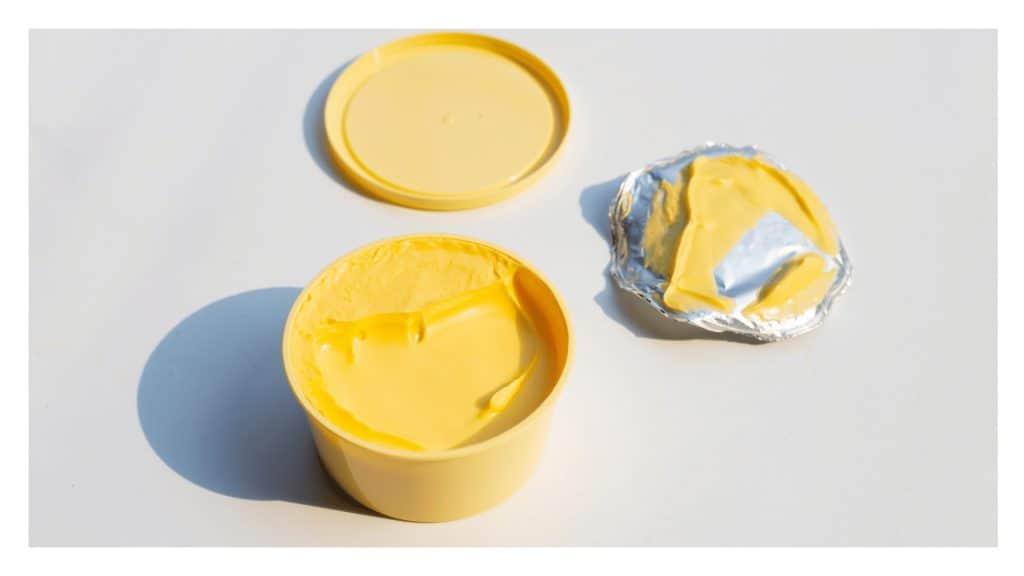
Vegan butter, made from blended oils, is another option for replacing shortening. Just like with margarine, add 1 to 2 extra tablespoons for every cup of shortening called for in the recipe.
Ghee
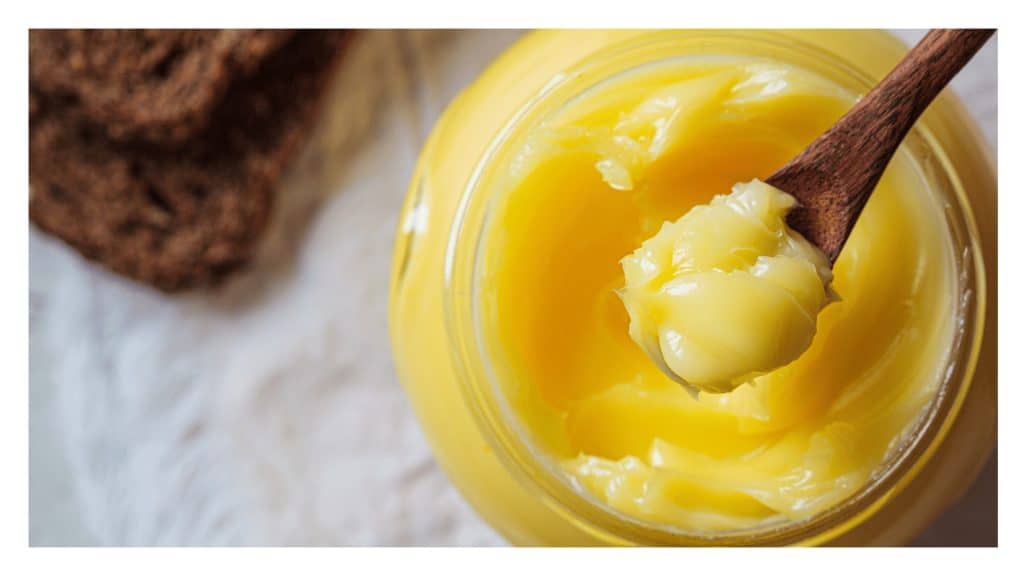
Ghee, or clarified butter, can be used as a one-for-one substitute for shortening. With the milk solids removed, it has less water than regular butter, which helps baked goods achieve a texture similar to that of those made with shortening, while also imparting a buttery taste.
Bacon Grease
Bacon grease can be used in equal amounts as a shortening substitute. Let the grease cool and solidify after cooking bacon, then use it in savory dishes like biscuits, pot pie toppings, or cornbread. Its smoky flavor shines in these recipes, and you may want to reduce added salt because of bacon’s natural saltiness.
Applesauce
Applesauce can replace shortening, but you’ll need only half as much. For example, use ½ cup applesauce for every 1 cup of shortening. It adds moisture and creates a cakey, dense texture, which works best in cookies, brownies, cupcakes, and quick breads.
Avocado Puree
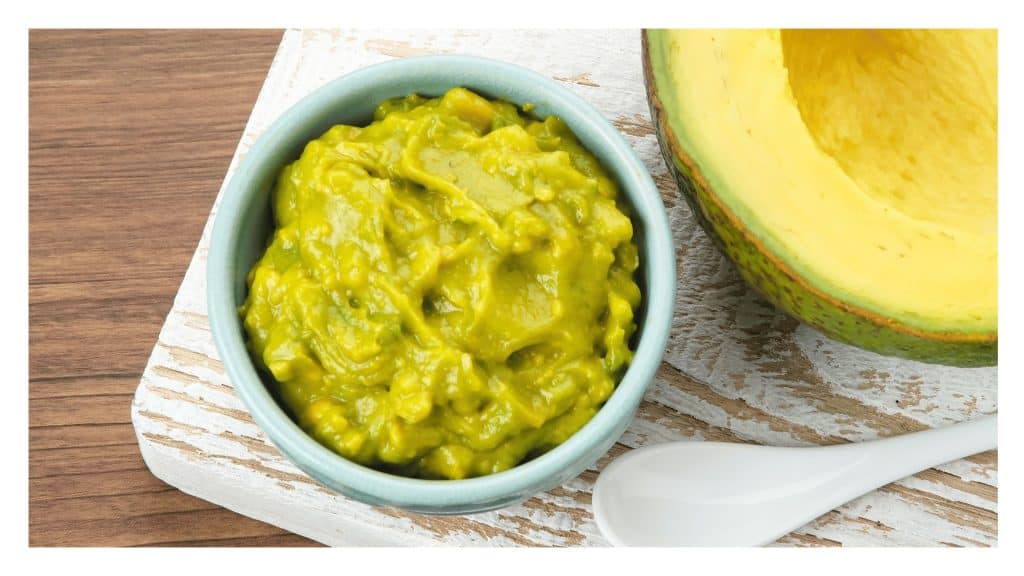
Avocado puree can replace shortening one-for-one. It’s creamy with healthy fats and works well in cookies, quick breads, and muffins. Mash it thoroughly to avoid lumps. It may slightly alter the color of your baked goods and can cause them to brown faster, so reduce the oven temperature a bit and monitor baking time.
Mashed bananas
Mashed bananas can be used as a one-for-one replacement for shortening. They will add a banana flavor to your baked goods, but they provide moisture and a soft texture. Mashed bananas work best in quick breads and muffins.
Final Thoughts
When swapping in a substitute, remember that your results might differ slightly from the original recipe. The texture and taste may change a bit, so follow the tips provided for the best outcome.