
The Incredible Edible Lion’s Mane Mushroom
Lion’s mane mushroom benefits are as plentiful as the mushroom itself is unique in appearance and qualities. This powerful, editable fungus boasts numerous mental and physical health benefits that deserve to be explored.
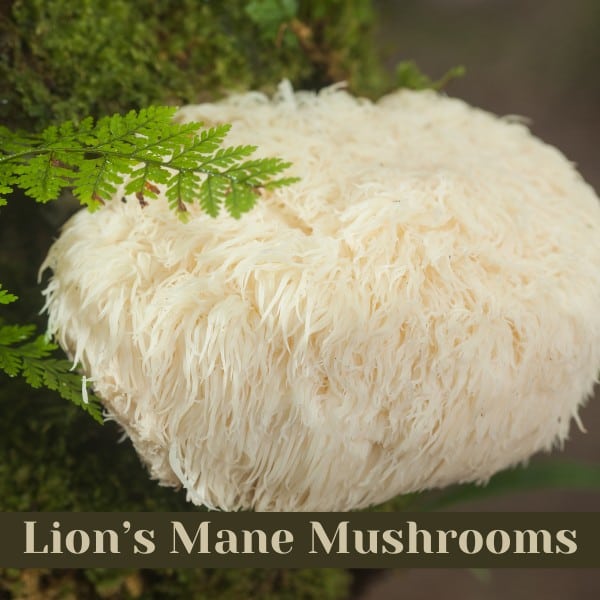
Also known as Hericium erinaceus, the lion’s mane mushroom has gained popularity in recent years due to its potential positive health effects. Native to Asia, America and Europe, this unique toothed fungus has a long history of traditional use in Chinese medicine and is increasingly seen as a valuable functional food in more modern times, as well as in Western culture.
Introduction to Lion’s Mane
Lion’s Mane are easily recognizable thanks to its distinct appearance, resembling the shaggy mane of a lion.
- Considered a “toothed” mushroom
- It is white with a large shaggy head
- resembles the mane of a lion
- commonly found on decomposing trees
Lion’s mane is not only edible but also considered a functional mushroom. That means it offers more than just taste and flavor. It is important to know how to clean mushrooms before ingesting them.
If you are lucky enough to be able to enjoy the actual mushroom, you will certainly enjoy its slightly sweet, yet savory flavor. Some even suggest that it has texture and qualities like seafood. More commonly these days you’ll find Lion’s Mane in a powdered or supplement form.
Benefits of Lion’s Mane
There are many benefits eating fresh or preserved lion’s main mushroom.
- One of the most well-known lion’s mane benefits is its potential to support brain health. It contains bioactive compounds that may help stimulate the growth and regeneration of nerve cells, which could have profound applications in diseases like Alzheimer’s. Beyond cognitive improvements, lion’s mane has also been linked to immune system support, digestive health and anti-inflammatory properties.
- Another of the lion’s mane benefits include its potential to improve cognitive function and mental health. Bioactive compounds such as hericenones and erinacines found in lion’s mane can stimulate the growth and development of brain cells. Research indicates that consuming lion’s mane may help prevent conditions like dementia and Alzheimer’s, while also offering neuroprotective properties to assist in the prevention of memory loss and enhance brain function.
- Another of the many lion’s mane benefits is its support for the nervous system. Its ability to enhance peripheral nerve regeneration and general nerve health puts it in a unique position to be used for those suffering from nerve-related disorders or recovering from nerve damage.
- Lion’s mane mushroom is not only known for its cognitive and neurological benefits, but also its potential as an anti-cancer agent. Studies suggest that lion’s mane may possess antioxidant properties that could help combat cancer. As in many cases, more research is needed to confirm this exciting potential. Nonetheless, lion’s mane is promising for individuals seeking additional support during their cancer journey with the addition of these beneficial mushrooms.
- Inflammation is a crucial part of the body’s healing process, serving as a natural response. Short-term inflammation, also known as acute inflammation, is generally beneficial and serves a productive purpose. However, when inflammation becomes chronic and persists over the long term, it can lead to various issues. Common causes of inflammation include toxins, obesity, stress and lifestyle choices among others. Chronic inflammation has been closely linked to conditions such as cardiovascular disease and cancer. Research has demonstrated that lion’s mane possesses anti-inflammatory properties, particularly targeting adipose tissue inflammation, which is commonly associated with obesity.
- Finally, a group of menopausal women received a daily cookie infused with lion’s mane. After 4 weeks, they reported a decrease in anxiety, depression and irritability. The intriguing question arises: Did the cookie or the lion’s mane contribute to these positive results? Research strongly indicates that lion’s mane played a significant role.
“I started dabbling in functional mushrooms a few years ago purely out of curiosity, but it wasn’t until this past year and battling chronic Lyme disease that I truly experienced their benefits. I’ve found cordyceps, reishi and lion’s mane to be incredibly immune supportive and have felt much improved since incorporating them into my healing plan.”
— Gina Matsoukas, Running to the Kitchen
Considerations: Lion’s mane mushroom side effects
While discussing the many lion’s mane benefits, it is also important to further investigate potential side effects. Experiments to date have shown Lion’s mane mushrooms to be safe. However, it is essential to be aware of its recommended dosage and possible side effects such as GI discomfort, dizziness and skin rashes.
Where can I find Lion’s Mane?
You can buy or forage or grow these mushrooms:
- Wild Foraging: They typically grow in late summer to fall on hardwood trees, especially oaks, in the forests of North America. Look for them on wounded or dying trees with compromised bark, as they often grow in these areas. Be sure to utilize a folk school or local foraging group to find edible mushrooms in your area.
- Buy It Locally: Stores that focus on natural, organic, or gourmet foods are more likely to carry Lion’s Mane mushrooms. Order it from FoodClub.Org if you’re a member and your co-op has access to the Organically Grown produce.
- Online Retailers: You can purchase Lion’s Mane mushrooms, either fresh or dried, from various online stores.
- Grow It: Lion’s Mane mushroom grow kits are available online for those interested in growing their own. These kits make it easy to cultivate the mushrooms at home.
How to Get Lion’s Mane Into Your Diet
To take advantage of the many lion’s mane benefits, there are several ways to incorporate it into a healthy diet. The two most popular forms are the use of supplements and consuming the fresh mushroom. Fresh lion’s mane mushrooms can simply be sliced, spiced, sauteed and eaten.
Supplementation
Lion’s mane is widely available in various supplement forms, such as capsules and tablets. The dosage recommended for each form may differ, so it is crucial to consult a healthcare provider before starting consumption of the supplement.
Lion’s mane powder is a versatile option that can be added to different foods and drinks, such as this chocolate protein mud drink or this copycat homemade MudWtr powder. It makes a perfect gift for coffee lovers as they can mix it up with a few other mushroom powders and use it to replace coffee creamer or coffee syrup.





One Comment