
Egg Replacements For Baking
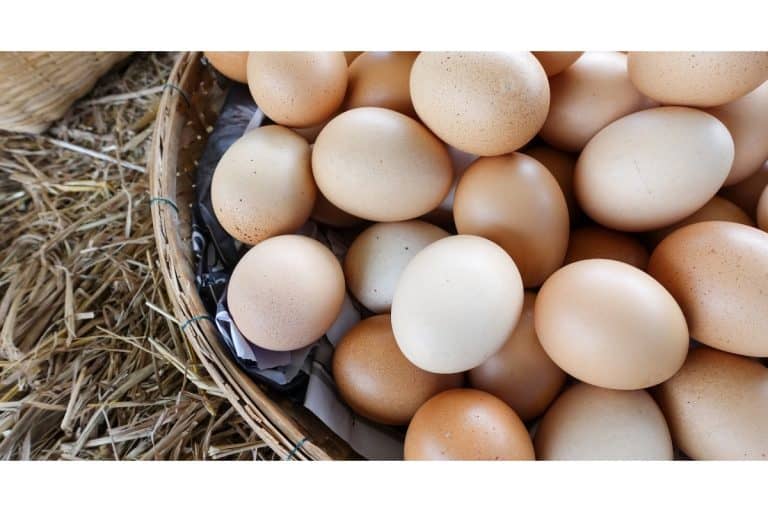
With the current egg shortages, the availability of eggs may be an issue many of us haven’t encountered before. Here’s a look at the different substitutions and egg replacements you can use for eggs in baking and cooking.
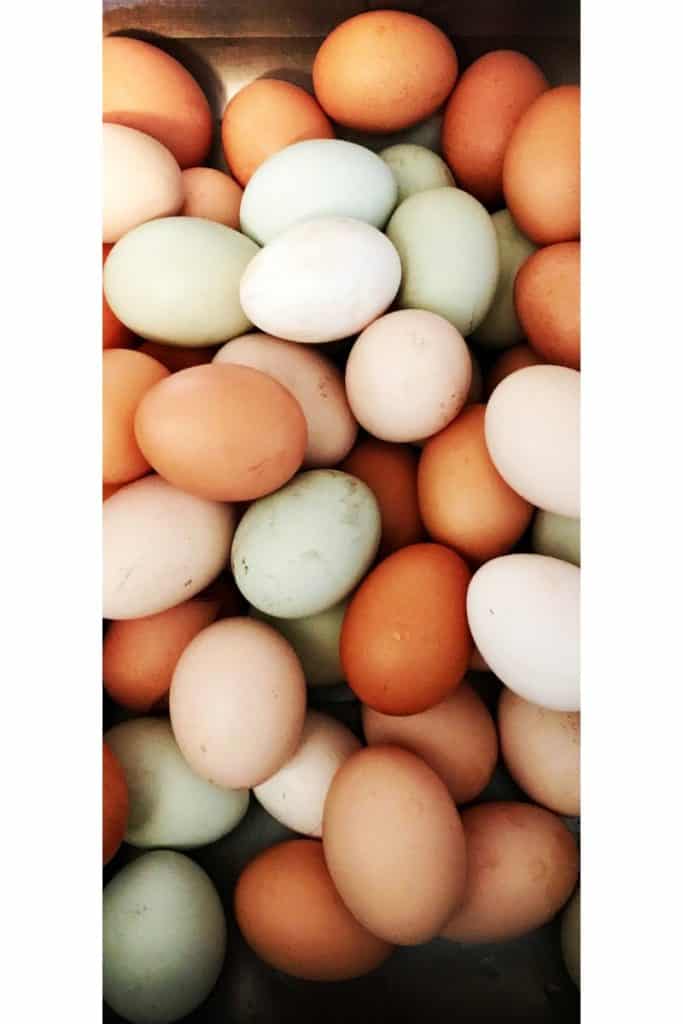
The Reasons You Can’t Use Eggs
Besides shortages, there are other reasons you can’t use eggs. You may need to feed a vegan, and heaven knows they can’t eat eggs.
OR you may have a home flock, and they’re not currently laying enough eggs for your household. I hate it when that happens, and we run out of eggs. Nevertheless, it does happen, always to me, when I want to bake.
Or you might be out of eggs when you’ve already committed to baking something. And if you are anything like me, you absolutely refuse to drive to the store for one simple ingredient.
Luckily, with these easy egg substitutes, you can pick the best one for you and your needs. And many of them are ingredients you may already have on hand.
Why You Need Eggs
Here are a few reasons you need them:
- Eggs become firm when heated so they give structure to baked goods
- As above, they’re useful for thickening sauces, casseroles and pie fillings
- Eggs act as a leavening agent, they give lift to baked goods
- Eggs are a binding agent, they help hold food like French toast together
- Eggs also add flavor
Common Egg Replacements
When choosing an egg substitute, it is important to know the purpose of the eggs in the recipe you are making. That will help determine which substitute will work best.
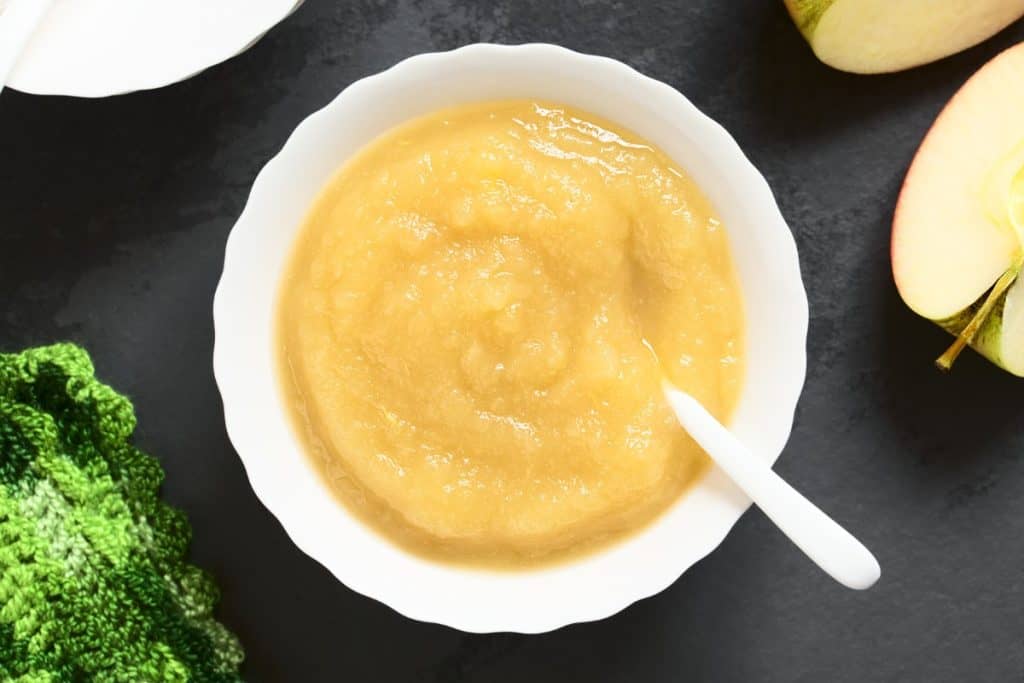
Unsweetened Applesauce
Applesauce works best in recipes that are moist and dense like quick breads and brownies. Generally, 1/4 cup replaces one large egg in recipes.
Since applesauce has a lot of moisture, you may want to decrease the liquid in your recipe by a tablespoon or two. Applesauce won’t add lift, so you may want to add ½ teaspoon of baking powder to the dry ingredients.

Flax Seed
Ground flax seed works best in recipes that are moist and dense like muffins and pancakes. One tablespoon of freshly ground flax seed plus three tablespoons of warm water replaces one large egg.
For best results soak ground flax seed in the water for about five to ten minutes until it forms a thick gel. Flax seeds will add a little texture, and items will brown quickly, so watch your baked goods closely.
Golden flax seeds will blend in more easily with the color of whatever you are making. Flax seeds have a strong flavor so they may have an aftertaste in recipes with lighter flavors.
“I like making an egg substitute with ground flax meal and water. This is a great solution for those with egg allergies or anytime you run out of eggs.” — Jessica Haggard, Primal Edge Health
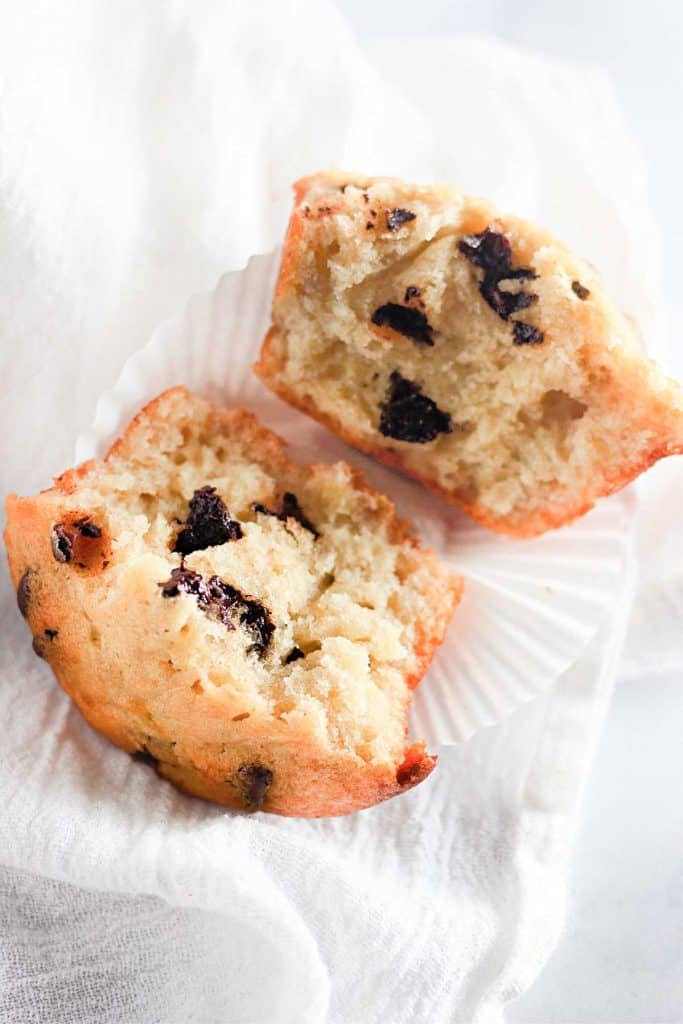
Yogurt
Yogurt is liquid so it binds and it is high in protein so it sets up. It is best in quick breads and pancakes. One-quarter cup replaces one large egg.
Baking Powder, Oil and Water
Baking powder, oil and water work best in cookies. Two teaspoons of baking powder plus one teaspoon of vegetable oil plus two tablespoons of water replace one large egg.

Avocados
Avocados work best in moist and dense recipes dense muffins and waffles. One-quarter cup avocado replaces one large egg. Avocado won’t add lift so you may want to add ½ teaspoon of baking powder to the dry ingredients.
Chia Seeds
Chia seeds work best in muffins, quick breads and cookies. One tablespoon of chia seeds plus three tablespoons of water replaces one large egg. Stir together and let sit for 15 minutes before using. If you don’t want the chia seeds to be visible in the final product, use white chia seeds.
“Due to an egg sensitivity, I often use either flax eggs or chia eggs when baking. I’ve found both to be good substitutes with little effect on the outcome when a recipe calls for two or less eggs. Anything more than that and texture is usually sacrificed in the process.” — Gina Matsoukas, Running to the Kitchen

Plain Silken Tofu
Tofu works best in dense recipes like cakes and muffins, but can also work in some cookies. It can even be used as an egg replacement in quiches and custards. Puree in a blender until smooth. Then blend with other wet ingredients before adding to dry ingredients.
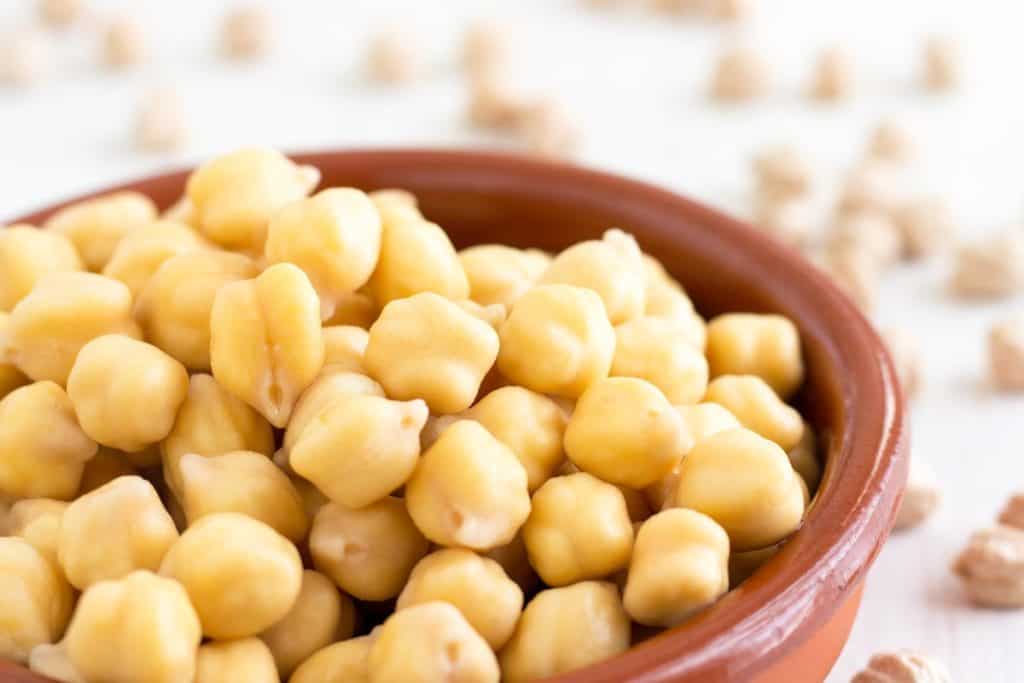
Aquafaba
Aquafaba is the liquid that is leftover in a can of chickpeas, home cooked chickpeas don’t produce the best aquafaba. It works best in quick breads, cakes and cookies. It can also be used as an egg white substitute for meringues to make a Vegan Pavlova. Three tablespoons of whipped Aquafaba replaces one large egg.
Bananas
Bananas work best in pancakes and brownies. One-quarter to ½ cup mashed bananas replace one large egg. They have a strong flavor so that may affect the flavor of your final product. Bananas won’t add lift so you can add ½ teaspoon of baking powder to the dry ingredients.

Buttermilk
You can use buttermilk in muffins, cakes and cupcakes. One-quarter cup of buttermilk replaces one egg. Because it adds liquid, reduce the water or other liquid in the recipe by ¼ cup.
Baking Soda and White vinegar
Baking soda and white vinegar work best in cakes and waffles that only require one egg. The vinegar may impact the flavor too much in larger amounts. One tablespoon of vinegar, along with one teaspoon of baking soda, typically replaces one egg.
Keep in mind
When using an egg substitute, the recipe is not going to turn out exactly like the original. The more eggs a recipe calls for, the more the substitute will affect the recipe.
All In All
No eggs? No problem. Whether you’re dealing with shortages, cutting eggs from your diet, or just out of them when you’re halfway through baking, there are plenty of ways to make it work. The right substitute depends on what you’re making, but with a little experimenting, you’ll find one that fits.



7 Comments