Best Peanut Butter Substitutes
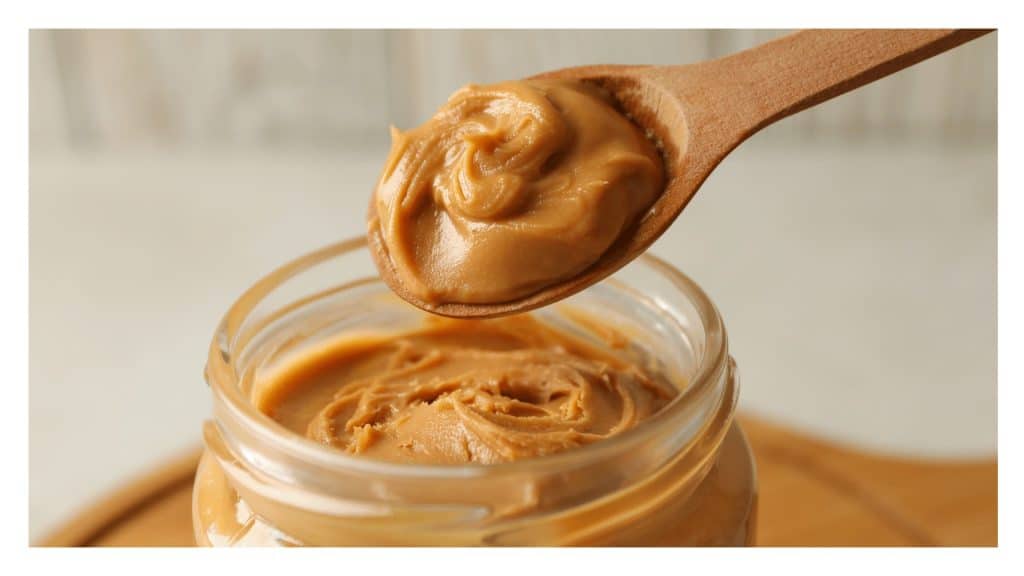
Peanut butter brings flavor, richness, and texture to all kinds of baked goods. But what do you do if peanut allergies or an empty jar throw off your baking plans? The good news is there are plenty of easy substitutes that can help you keep going without missing a beat.
In this guide, you’ll find everything from familiar nut butters to less common options like maple butter and soy nut butter. Each one offers its own flavor and texture, so you can choose the best fit for whatever you’re making.
Why Your Recipes Need Peanut Butter
Peanut butter gives certain qualities to baked goods, desserts and savory dishes. Here are some reasons why peanut butter is needed:
- It binds ingredients together.
- Peanut butter enhances the overall flavor of baked goods like cookies and breads.
- It adds nutritional value to baked goods because it is packed with protein, healthy fats and nutrients.
- Peanut butter can be used as a thickening agent in soups, stews and chilis.
- It adds a nutty flavor to sweet and savory dishes.

Why You May Need a Peanut Butter Substitute
The most common reason for needing a peanut butter alternative is a peanut allergy. If you’re cooking or baking for someone who is allergic to peanuts but not other nuts, any of the nut butters listed below will work well. For those with allergies to all nuts, be sure to choose a nut-free option.
You might also want a different taste or texture, and the substitutes below can provide that. Or if you’re simply out of peanut butter, there’s no need for a store run—many of these options can take its place using ingredients you may already have.
Common Peanut Butter Substitutes
Keep in mind that using a substitute can change the taste, texture, or consistency of your dish. While it’s ideal to have the exact ingredient, that isn’t always possible because of allergies, dietary needs, or what’s available. These peanut butter alternatives are good stand-ins, and most can be swapped in a one-to-one ratio.
Almond Butter
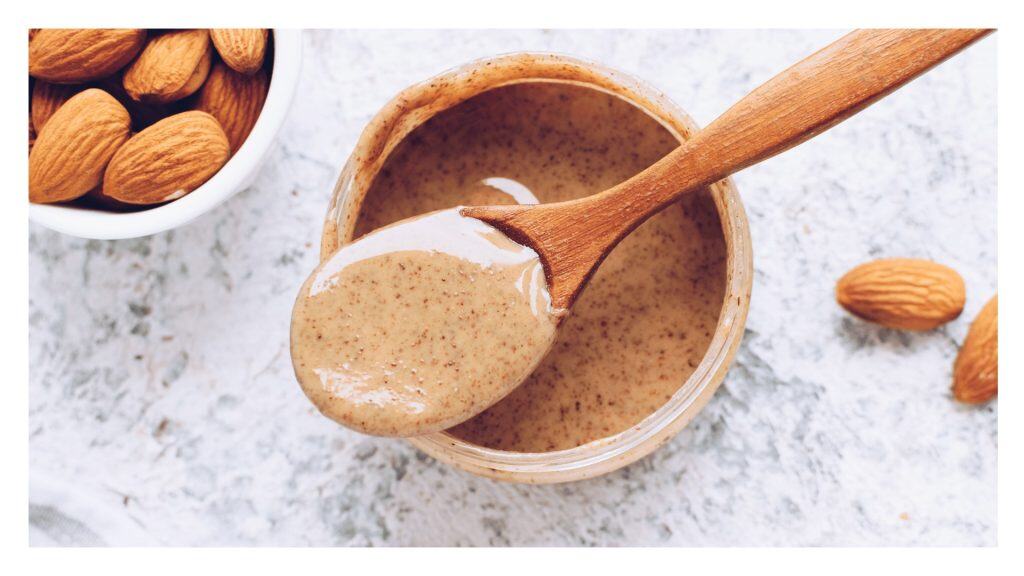
Almond butter is made from ground almonds and is one of the most popular peanut butter replacements. It’s thicker and has a grittier texture, which may affect the texture of baked goods.
Cashew Butter
Cashew butter is creamier than peanut butter with a milder, slightly sweeter taste. It works well in dressings and sauces because of its smooth texture, though it isn’t as strong a binder.
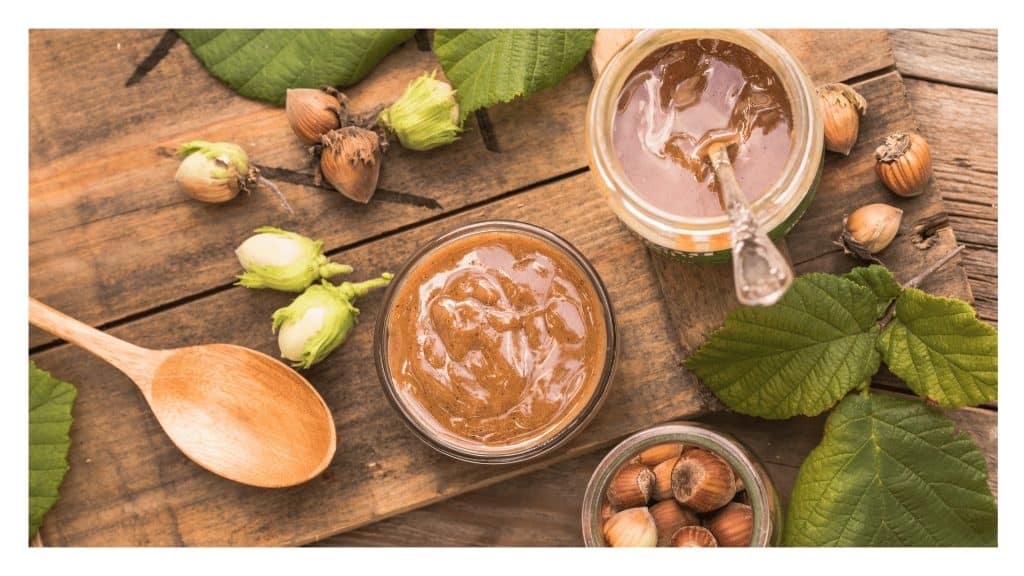
Hazelnut Butter
Hazelnut butter has more fat but fewer calories than peanut butter. Its mild sweetness makes it a great fit for desserts, smoothies, parfaits, and other sweet dishes.
Brazil Nut Butter
Brazil nut butter has a similar appearance and consistency to peanut butter but is less sweet. Some say it has a coconut-like flavor. It works well in cookies, muffins, cakes, and as a topping for pies or crumbles.
Macadamia Nut Butter
Macadamia nut butter has a sweet, nutty flavor and creamy texture. Since it’s pricier than other options, it’s best used in recipes where you need only small amounts, like marinades, sauces, smoothies, and baked goods.
Tahini
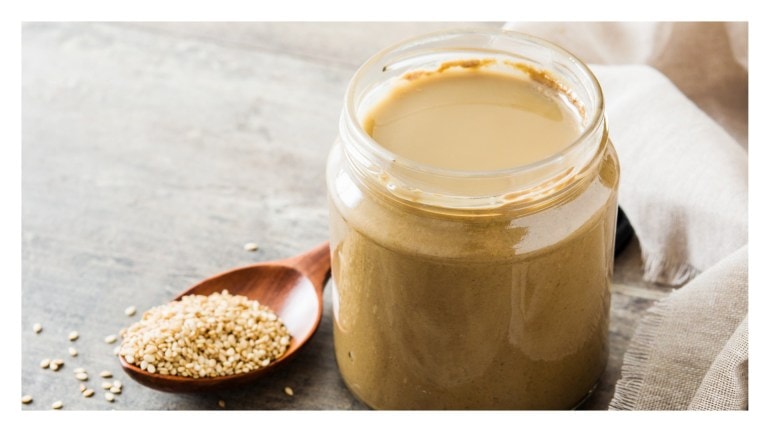
Tahini is made from ground sesame seeds and is nut-free. It’s useful as a spread or as a substitute in sauces and dressings where you’d normally use peanut butter.
Sunflower seed butter
Sunflower seed butter is made from ground sunflower seeds and has a texture and creaminess similar to peanut butter. It’s good in baked goods or as a spread on bread, crackers, fruit, or vegetables.

“I have peanut and tree nut allergies, so SunButter, especially the no-sugar-added variety, is a staple in my kitchen. It’s a one-to-one substitute for almond butter and peanut butter, which means I can use it wherever I’d normally use a nut-based spread.”
— Sara Nelson, Real Balanced
Coconut Butter
Coconut butter comes from ground coconut meat blended with salt and sugar. It has a distinctive coconut flavor, so it’s best in recipes where that flavor fits, like oatmeal, yogurt, or smoothies.
Soy Nut Butter
Soy nut butter is made from roasted soybeans and has a neutral taste that blends well with other flavors. It works in baked goods or as a spread.
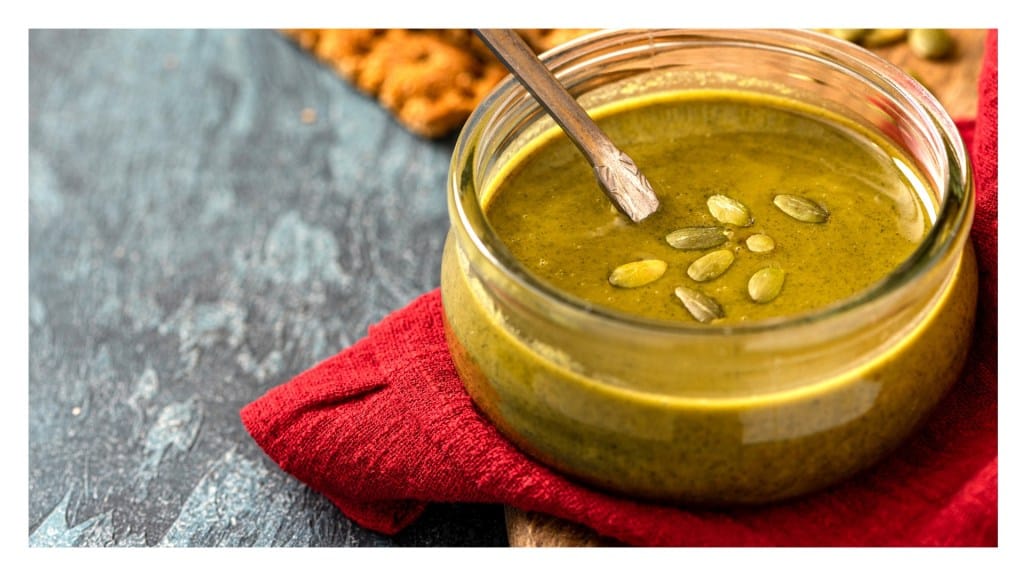
Pumpkin Seed Butter
Pumpkin seed butter (or pepita butter) has a similar texture and flavor to peanut butter. It’s great as a spread, in smoothies, or as a dip for fruit like apples.
Maple Butter
Maple butter is made from pure maple syrup and is very sweet. It works best in baked goods or other sweet recipes, but its strong maple taste may affect the overall flavor of your dish.
Powdered peanut butter
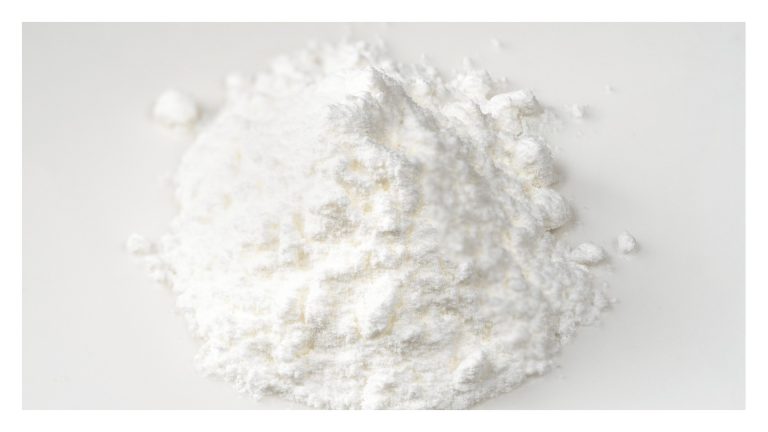
Powdered peanut butter is made from peanuts with much of the oil removed. It’s great for smoothies and shakes. In sauces and dressings, you’ll need to mix it with water—check the label for guidance on how much to add.
Final thoughts
When using a peanut butter substitute, it’s important to remember that the recipe may not turn out exactly like the original. Follow the directions above carefully, and although the texture and flavor may be slightly different than when using peanut butter, these substitutes work well.